# Vintage Lenses, Timeless New York: How 'The Only Living Pickpocket in New York' Found Its Visual Language
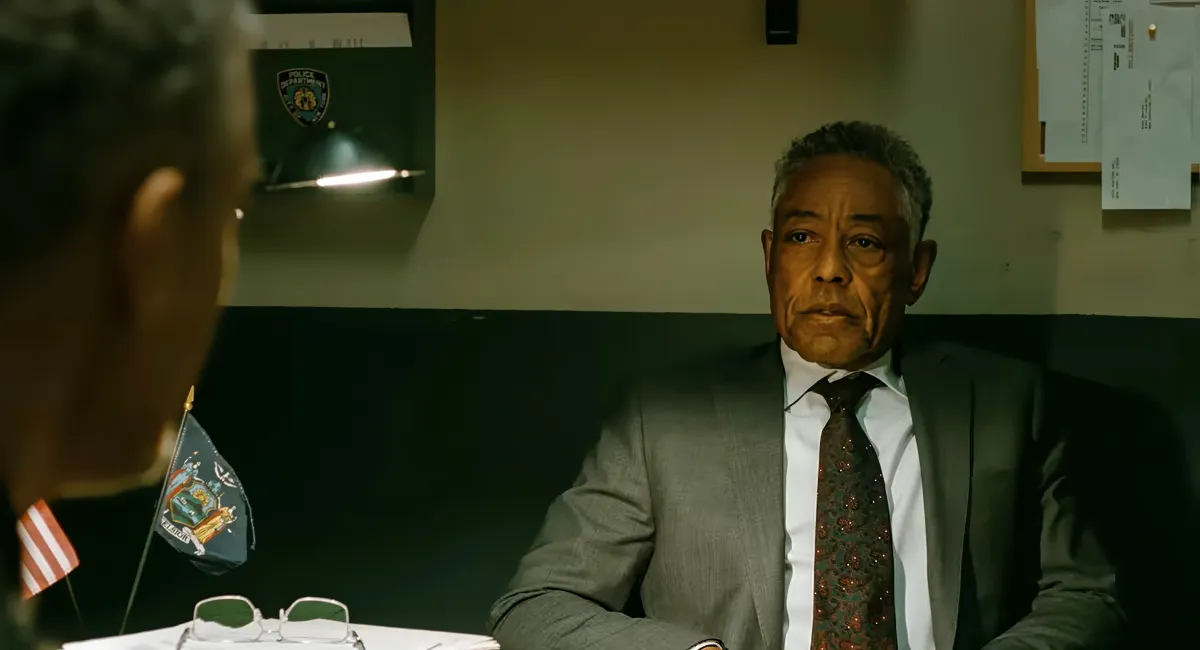
Cinematographer Sam Levy crafted a deliberately nostalgic aesthetic for "The Only Living Pickpocket in New York" by employing a set of vintage lenses originally used on Francis Ford Coppola's "The Godfather" films. This choice anchored the film's visual identity to a specific moment in cinema history while grounding the story within New York City's layered past.
The decision to shoot through Gordon Willis lenses, the signature glass that defined the Coppola crime saga, represents more than technical nostalgia. It reflects a deliberate artistic strategy to embed the film in a particular lineage of New York storytelling. Gordon Willis, the cinematographer behind "The Godfather" and "The Godfather Part II," shaped how audiences see urban darkness, shadow, and moral ambiguity through the lens. By adopting his equipment, Levy tapped into that visual vocabulary while creating something new.
Working on location across New York City, Levy faced the challenge of making a contemporary story feel temporally displaced. The vintage lenses introduced optical distortions and color rendering qualities that modern glass cannot replicate. These imperfections become features. They soften digital precision, introducing grain and slight aberrations that read as authenticity to viewers conditioned by decades of film stock.
The choice carries cultural weight. "The Godfather" films established a visual template for how cinema represents power, corruption, and family loyalty within American cities. Those images have calcified into cultural reference points. By invoking them, "The Only Living Pickpocket in New York" signals its thematic concerns without stating them. The viewer enters the film's world primed to expect moral complexity and urban grit.
Shooting on location rather than in a studio intensified the technical demands. New York's relentless daylight and variable street lighting required Levy to work within constraints imposed by equipment designed for different photographic conditions. The vintage lenses demanded discipline. Cinematographers cannot simply adjust parameters and expect the same results. This limitation shaped how scenes unfolded, how actors moved through frames, and how the city itself became a character rather than mere backdrop.
The "throwback look" extends beyond optics into color grading and composition. Levy's work with vintage Gordon Willis lenses produced images that favor warm tones, deep blacks, and precise geometry. Faces emerge from shadow. Frames possess weight and intention. Nothing feels accidental. This formalism contrasts with contemporary cinematography's tendency toward flattened, highly saturated images optimized for streaming platforms.
The production's commitment to this visual approach reflects a broader trend in independent cinema. Filmmakers increasingly question the assumption that newer equipment automatically produces superior results. Instead, they excavate older technologies and repurpose them. The vintage lens choice becomes a statement about craft, intention, and resistance to the relentless march toward digital perfection.
"The Only Living Pickpocket in New York" thus becomes a film about time, mortality, and skill as much through its visual language as through its narrative. Levy's cinematography insists that some things improve with age, that constraints breed creativity, and that the city itself remains the most compelling character in stories about survival and theft.