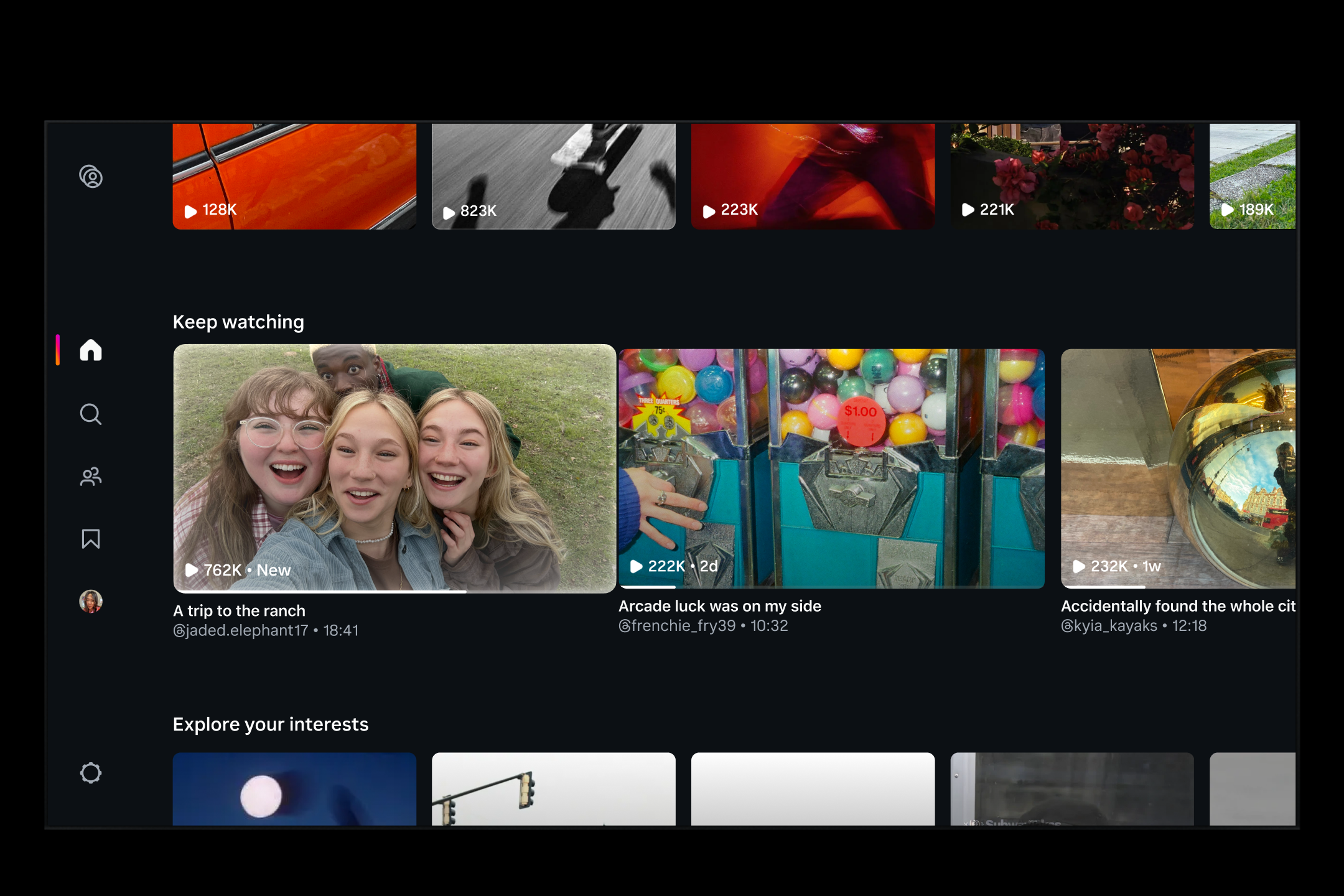
Meta's Instagram is making aggressive moves into long-form video territory, testing the ability to share content up to 90 minutes long while simultaneously launching an Apple TV app that lets viewers watch Reels and other video content on television sets. The company also expanded Instagram's reach to select smart TV platforms. These infrastructure upgrades position Instagram as a direct challenger to YouTube's dominance in video consumption.
The 90-minute testing window represents a dramatic expansion from Instagram's current video limits. Reels, Instagram's short-form video product launched in 2020 as a TikTok alternative, has thrived within strict time constraints. The new testing suggests Meta wants creators to use Instagram for everything from quick social clips to extended documentary-style content, effectively blurring the lines between TikTok, YouTube, and traditional streaming platforms.
The Apple TV app launch matters for distribution and discoverability. YouTube has owned the television experience for years, dominating smart TV interfaces and commanding the largest share of watch time outside mobile devices. By bringing Instagram's video catalog to living rooms, Meta creates new pathways for creators to reach audiences at scale. The company is also working with other smart TV manufacturers to extend this reach beyond Apple's ecosystem.
Here's the tension: Instagram remains unwilling to commit creator payment structures that rival YouTube's Partner Program. YouTube shares revenue from ads that run before, during, and alongside videos. Instagram has historically resisted this model, instead offering bonus programs tied to Reels views and engagement metrics. These bonuses have proven inconsistent and significantly less lucrative than YouTube's ad-revenue share.
This is a critical gap. Creators making ambitious 90-minute documentary projects or serialized content expect sustainable income streams. YouTube's Partner Program removes that guesswork. Creators know that higher view counts and watch time directly translate to earnings. Instagram's bonus programs don't operate this way. A creator could upload a viral 90-minute piece and earn a fraction of what they'd make on YouTube for identical content.
Meta's strategy appears designed to capture creator attention and audience fragmentation without bearing the financial burden of YouTube's Creator Fund commitments. The company bet this worked with Reels, paying out billions in bonuses to creators while YouTube maintained traditional ad-revenue models. But long-form content changes the calculus. Creators investing significant time in extended pieces expect predictable monetization.
The competitive dynamics here favor Instagram's technical infrastructure and Meta's resources. The company can afford to build better apps and more seamless viewing experiences than smaller competitors. Smart TV distribution matters for casual viewers who want infinite scroll entertainment on their screens. But serious content producers will likely maintain YouTube as their primary platform or use Instagram as supplementary distribution.
Meta's refusal to institute YouTube-style revenue sharing suggests the company views long-form video as a distribution play rather than a creator livelihood play. Instagram wants the watch time and the engagement metrics. It wants to retain users within its ecosystem for advertising purposes. But it's not betting that long-form video becomes a primary income source for its most ambitious creators.
This dynamic explains why YouTube remains YouTube. Despite competition from TikTok, Twitch, and now Instagram, YouTube's ad-revenue sharing keeps top creators loyal. Until Instagram changes its monetization approach, ambitious creators will use the platform tactically while maintaining their YouTube presence as their real business.