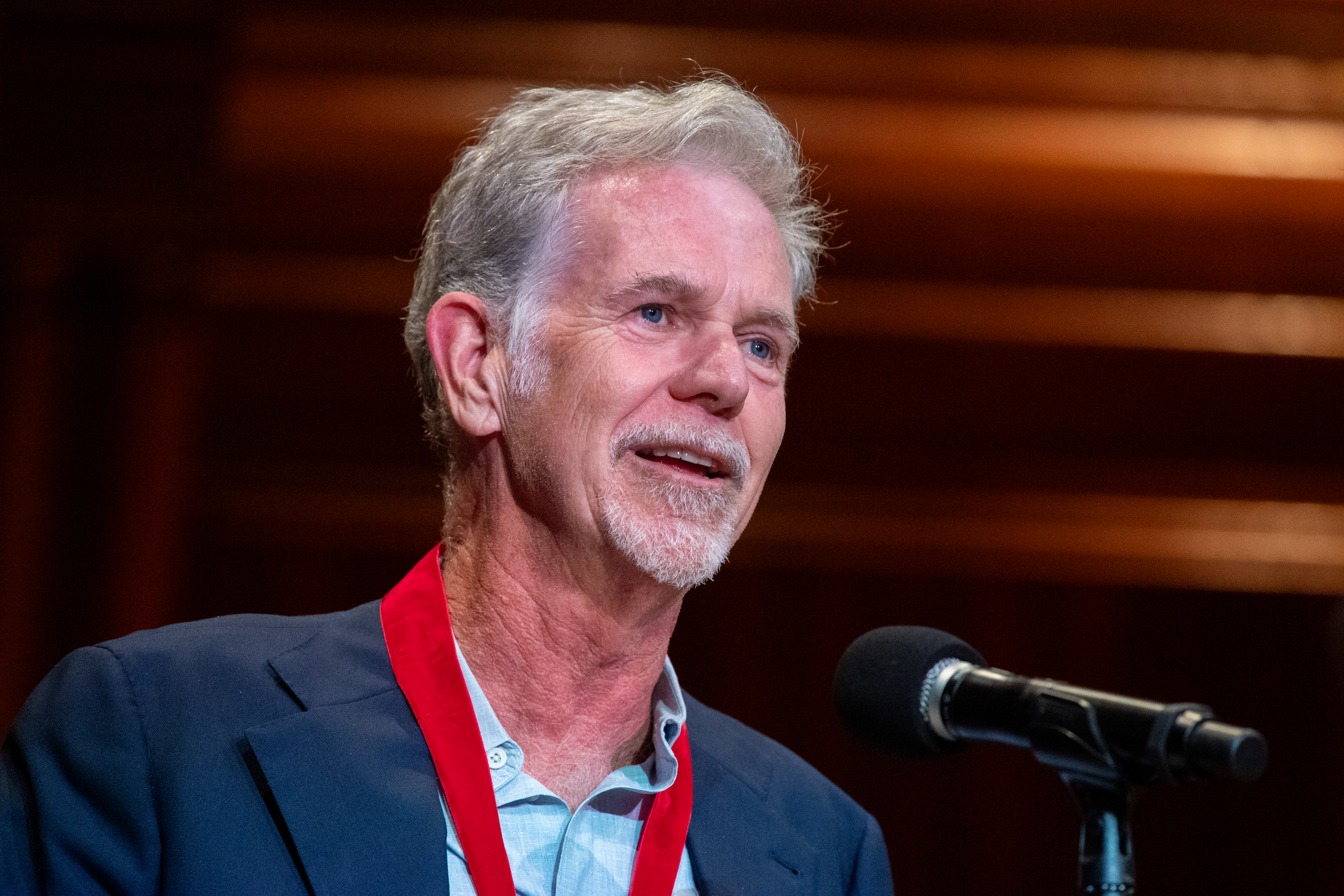
Reed Hastings, the co-founder who stepped back from Netflix's daily operations last June, has emerged from the sidelines with pointed observations about the streaming giant's current trajectory and what it needs to reclaim its competitive edge.
Hastings departed after three decades steering the company he built from a DVD-rental service into the world's dominant streaming platform. His exit marked a symbolic moment for Netflix as it navigated one of its most turbulent periods: subscriber losses, password-sharing crackdowns, and the company's descent into advertising territory. Yet his recent comments suggest he remains a thoughtful observer of the business he created, even if no longer its daily custodian.
The most revealing aspect of Hastings' current stance involves his claimed distance from recent operational decisions. He stated he "read about" Netflix's decision to lay off approximately 1,000 employees, roughly six percent of its workforce, rather than learning about the cuts beforehand. This disclosure raises questions about the clarity of communication between Netflix's current leadership and its founders, even as the company implements significant restructuring.
More substantially, Hastings articulated Netflix's central challenge in today's streaming wars: losing the sense of innovation and novelty that once defined the platform. He argued the company needs to focus on "being thrilling" again, a phrase that cuts to the heart of Netflix's identity crisis. For years, Netflix attracted subscribers through breakthrough content and technological disruption. Yet that position has eroded as competitors like Disney Plus, Amazon Prime Video, and Max have matured. The novelty has worn thin.
His comments about YouTube rivalry signal another strategic concern. YouTube's dominance in leisure viewing time and its vast, user-generated content ecosystem presents a different kind of threat than traditional competitors. Netflix built its empire on prestige scripted content and blockbuster films. YouTube operates in a different lane, yet increasingly captures the same eyeballs and subscriber attention that Netflix depends upon. Hastings appears to recognize that Netflix must reckon with this broader attention economy rather than simply competing within streaming.
The timing of these remarks matters. Netflix has implemented a crackdown on password sharing, pivoted aggressively toward advertising revenue, and faced criticism for its content strategy. The company fired co-CEO Ted Sarandos last summer and brought in new leadership to stabilize operations. Yet growth has remained modest compared to the explosive years of Netflix's rise. Hastings' voice, however removed from daily operations, carries weight in Silicon Valley and among investors monitoring the company's recovery.
What Hastings leaves unsaid proves equally telling. He does not appear to advocate for wholesale strategic reversals. Rather, his emphasis on recapturing the "thrilling" essence of Netflix suggests a return to what made the platform essential: taking risks on creative talent, investing in genuinely innovative storytelling, and maintaining a product that feels indispensable rather than routine.
For Netflix investors and employees, Hastings' observations function as both reassurance and gentle pressure. They confirm that the company's current challenges are recognized at the highest levels of the organization, even by founders now observing from a distance. His framework for recovery emphasizes not radical change but a return to first principles: innovation, content excellence, and the kind of cultural moment that made Netflix thrilling in the first place.