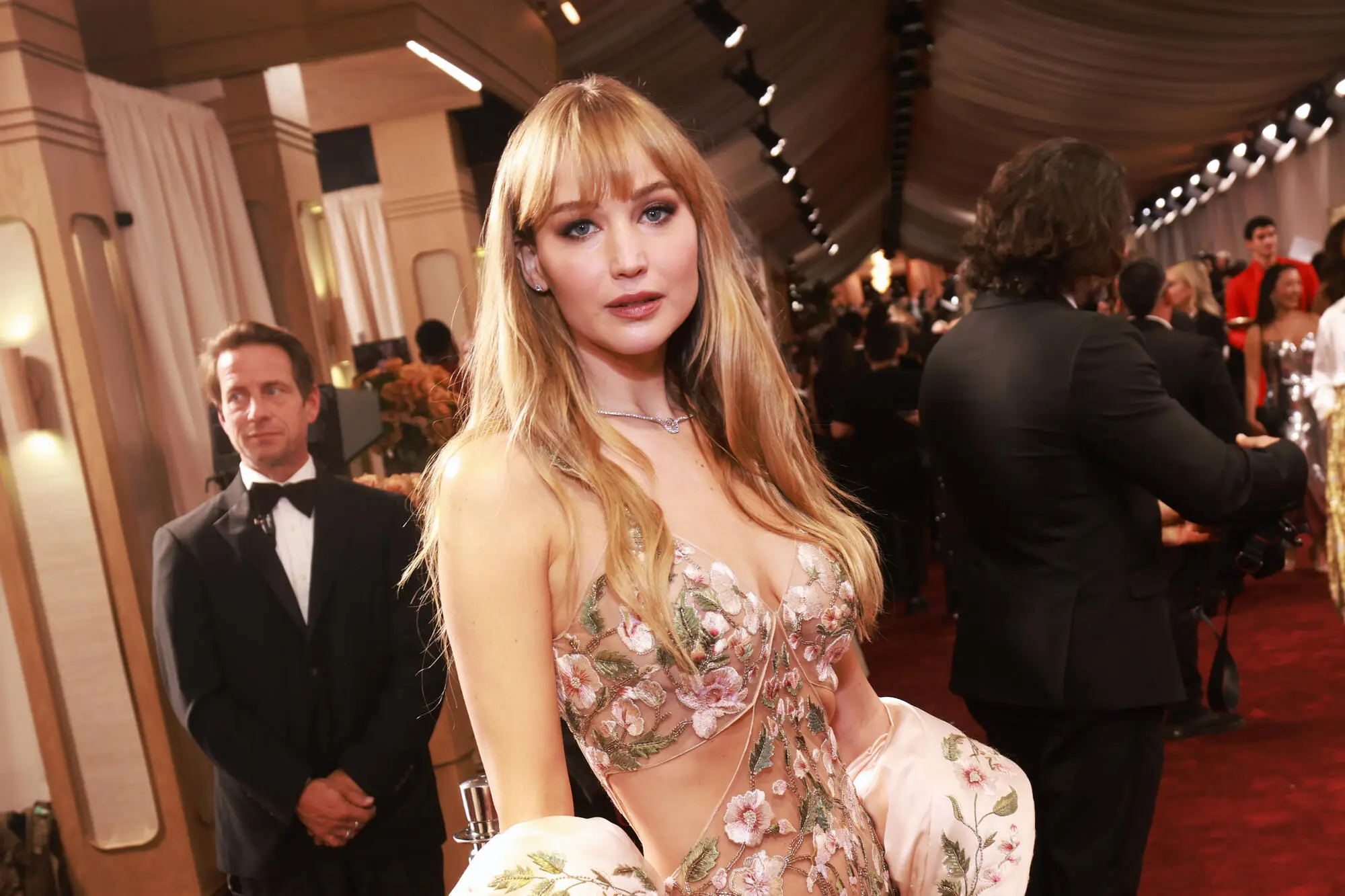
Jennifer Lawrence entered the celebrity beauty market with the launch of her haircare brand Mes, but she pushed back against assumptions that the venture signals career anxiety or hedging bets against Hollywood volatility. In an interview with The Cut, the Oscar winner made clear that financial security from acting alone would never compel her to diversify into beauty products.
"A smarter exit plan would be signing up for a big franchise," Lawrence stated, emphasizing that if money were the concern, she could simply lock into lucrative film deals rather than venture into the competitive and unpredictable beauty space. The comment cuts through a common narrative in celebrity culture: that stars launch side businesses because they fear their entertainment careers will dry up or fail to sustain them financially.
Lawrence's Mes brand marks her formal entry into the booming celebrity beauty sector, a space that has become increasingly crowded with celebrity-backed labels over the past decade. Rihanna's Fenty Beauty and Kylie Cosmetics built billion-dollar businesses. Hailey Bieber launched Rhode Skin to critical acclaim. Even actors like Jessica Alba and Gwyneth Paltrow established beauty and wellness empires. The category has become a proving ground for celebrities seeking to build personal brands beyond their core work.
What distinguishes Lawrence's framing of Mes is her explicit rejection of the "insurance policy" narrative. Rather than positioning haircare as a safety net for when film roles might disappear, Lawrence frames it as a genuine entrepreneurial interest separate from her acting career. The distinction matters in how audiences perceive celebrity business ventures. Too many high-profile launches sound defensive, as though the celebrity in question is preparing for a professional apocalypse. Lawrence's approach sounds intentional and grounded in product itself.
Haircare has proven a particularly fertile category for celebrity entrepreneurs. The space sidesteps some of the pitfalls of fragrance or makeup, where celebrity names can feel interchangeable from launch to launch. Hair products invite personal narrative and individual ritual. Brands like Olaplex and K18 have built prestige positions in professional haircare, leaving room for celebrity-backed alternatives that emphasize celebrity involvement in formulation rather than mere endorsement.
Lawrence's Mes operates in that territory. The brand aligns with her public persona as someone grounded in substance over celebrity spectacle, someone known for candid interviews and relative skepticism toward Hollywood machinery. Her rejection of the financial-desperation narrative positions Mes not as a vanity project but as an extension of her values.
The celebrity beauty space continues evolving. Successful launches now require genuine product differentiation and authentic founder involvement. Customers have grown savvier about detecting pure cash grabs. Lawrence's emphasis that this choice comes from genuine interest rather than professional fear suggests she understands that landscape. Her reputation as a serious actor and interviewer gives Mes credibility that pure beauty celebrities might lack.
Whether Mes succeeds depends less on Lawrence's Hollywood staying power and more on whether the haircare itself performs and whether her involvement feels authentic to consumers. Her preemptive strike against the "security blanket" interpretation signals she knows the difference.