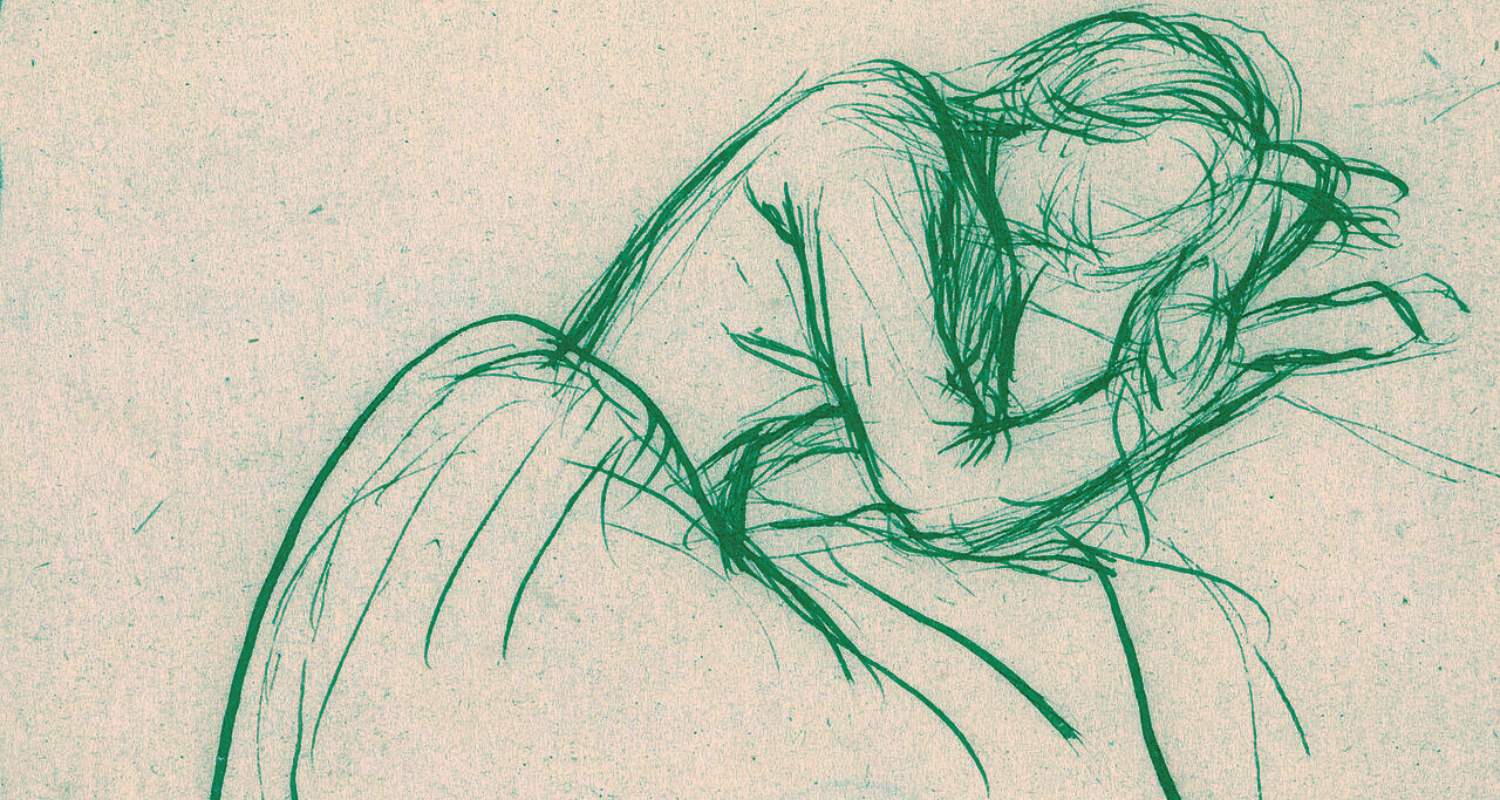
An essay on writing through grief, published on Literary Hub, explores how poetic and formal structures can contain overwhelming loss.
The author describes writing poems about her mother as though she were dead before the mother's actual death, finding that beginning from that imagined place allowed words to arrive with unexpected force. After her mother died, she wrote nonfiction in fragments during the week before the funeral, capturing the swirl of rage, despair, relief, and shock without coherence.
To shape her essays about grief, the author drew on poetry. She adapted the ghazal, a poetic form where each stanza ends in the same word, into short sections of two sentences with repeated final words. She tried prose crowns of sonnets, lyrical braids, and elegiac couplets. Some forms succeeded; others did not. But the act of choosing formal containers transformed raw emotion into something manageable.
The author notes that throughout history, people have sought forms for grief. The ancient Greeks hired professional mourners, or moirologists, to cry and sing from the depths of their lungs on behalf of the bereaved. Post-mortem photography, death masks, and woven hair wreaths all served as vessels for loss.
The author's own grieving practices extended beyond writing. She crocheted hospice blankets, embroidered a sugar skull on her mother's funeral photo, compared her mother's last words to famous final words, and traveled to places connected to her mother's memory. None of it worked completely. She has not reached the third stage of the elegy where full consolation arrives. Yet through form, she has moved closer to both lamentation and praise.
The essay appears in the collection "The Grief Artist" by Traci Brimhall, published by Sarabande Books.