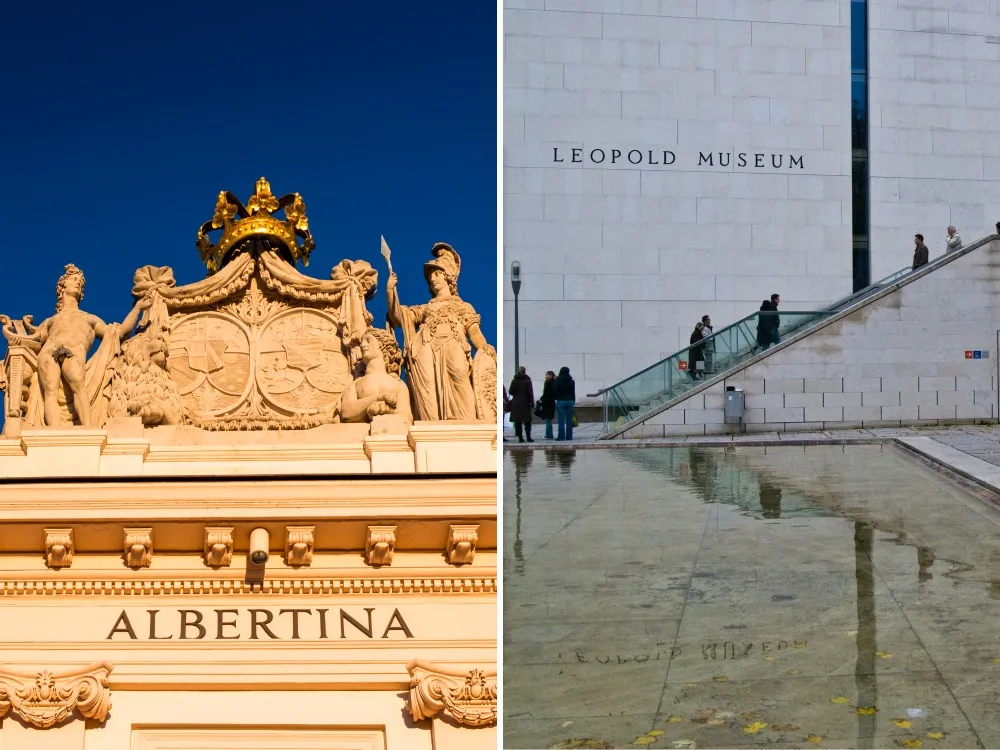
Austria, the Albertina Museum, and the Leopold Museum Foundation filed a response Friday to briefs from the Department of Justice and two US senators defending the constitutionality of the updated Holocaust Expropriated Art Recovery (HEAR) Act. The three defendants are being sued by Timothy Reif, a descendant of Fritz Grünbaum, a Jewish cabaret performer killed in a death camp in 1941, over several Egon Schiele works that Reif claims were looted by the Nazis.
The defendants maintain that the 2025 amendments to the HEAR Act violate Article III of the US Constitution and the Tenth Amendment. They argue that Congress exceeded its constitutional authority by eliminating certain legal defenses, including laches, which allows courts to dismiss claims when plaintiffs unreasonably delay bringing them. By forbidding federal courts from considering such equitable defenses, the defendants contend that Congress intrudes on the constitutional right of Article III courts to decide cases themselves.
The defendants dispute Reif's theft allegations, arguing that the works in question were exported from Austria by Grünbaum's sister-in-law in the 1930s and then sold to a Swiss dealer in the 1950s. Senators Richard Blumenthal and John Cornyn submitted briefs last month presenting legal precedent supporting the constitutionality of the HEAR Act, which President Donald Trump signed into law last year. The act, originally signed in 2016, was extended indefinitely and amended to address high-profile cases that failed on technical grounds.
William L. Charron, an attorney for the defendants, said in a phone interview that the filing responds directly to arguments for the act's constitutionality raised by the government and senators. He noted that the case could eventually reach the Supreme Court if courts decide they must rule on the constitutional questions raised.