The Design Museum has awarded £280,000 in grants to four UK-based design studios developing environmental prototypes. The projects share a focus on sustainable materials and circular production methods.
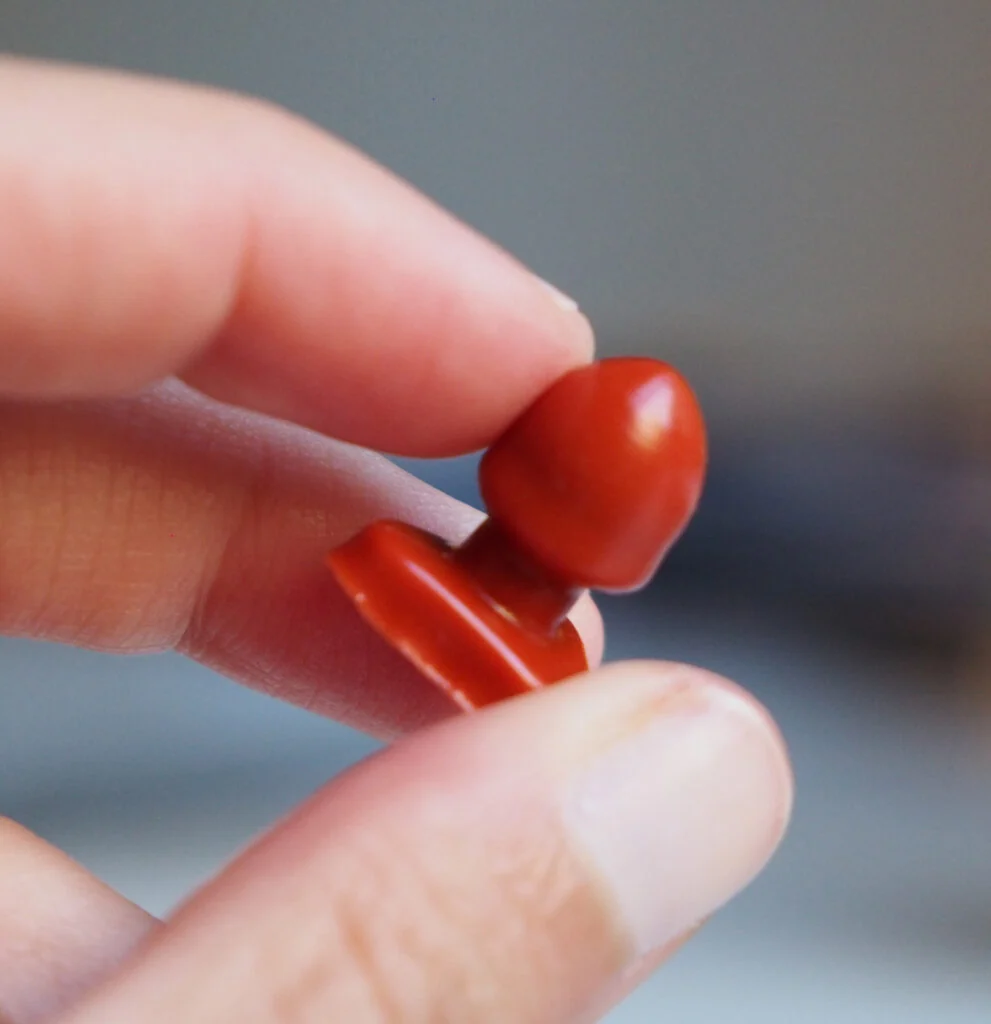
Cambridge-based Searo Labs received funding for SearoSoft, described as the world's first seaweed-based single-use earplug. The product is fully biodegradable and biodegrades in water or soil after 30 days. Searo Labs states the earplugs are made without microplastics or chemicals and designed to hydrate the ear canal, unlike plastic alternatives.
Sussex-based Local Works Studio won a grant for Ferment, a project that repurposes agricultural waste into insulation material for retrofitting buildings. The studio aims to create a "harvest-to-house system" allowing farmers to produce insulation using existing infrastructure and machinery.
Bristol-based WeCanMake developed Neighbourhood Factory Futures, a timber kit-of-parts system for constructing low-rise apartment buildings. The studio plans to establish a neighbourhood factory model enabling local communities to build and maintain their own homes using materials that store rather than emit carbon.
Social enterprise SY Ecofit, collaborating with Phyona and Studio Bio, is prototyping PhytoFloc, a zero-waste plant-based insulation created from biowaste produced by phytomining. This process uses plants to extract pollutants from former industrial land.
The four projects were selected from 140 submitted prototypes as part of the Design Museum's Future Observatory program, run with the Arts and Humanities Research Council. Tim Marlow, the Design Museum director, stated that "design is critically important" for meeting climate challenges. Funding runs from November 2026 through July 2027, after which the prototypes will be tested and enter commercialisation.