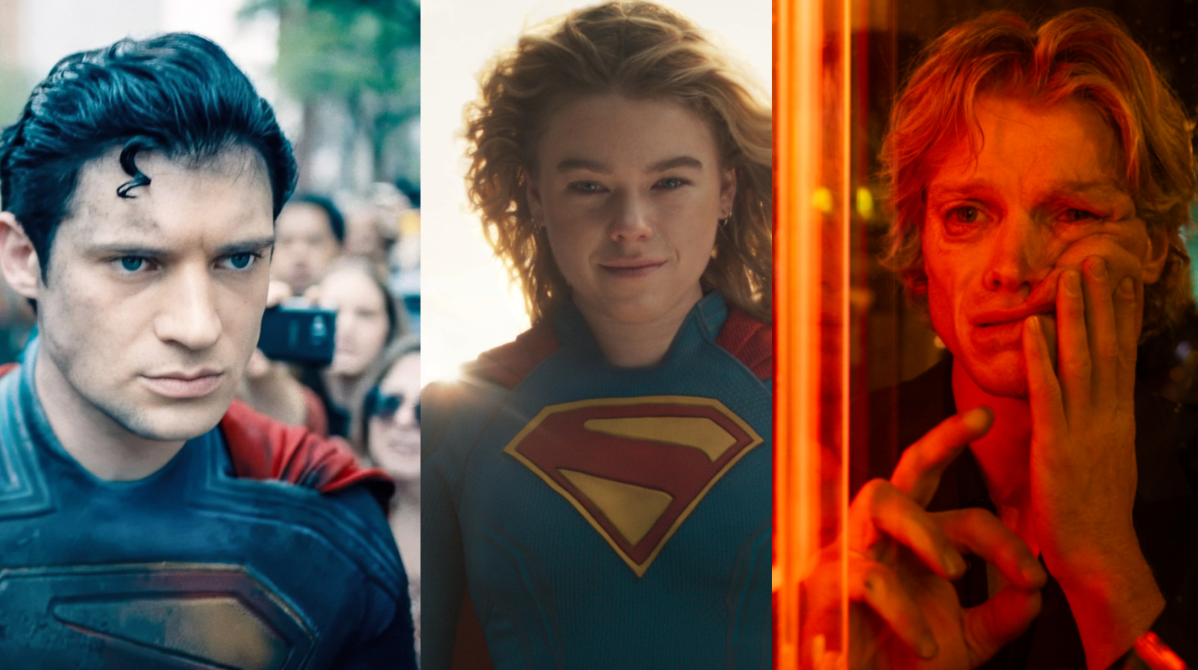
James Gunn and Peter Safran took control of DC Studios in late 2022 with an ambitious mandate: rebuild the entire cinematic universe from scratch. Four years and three theatrical releases into their experiment, the results prove decidedly mixed, revealing both the promise of their vision and the stubborn resistance of superhero franchise fatigue.
The trio of films released under Gunn's creative leadership includes "The Suicide Squad" predecessor material, "Aquaman and the Lost Kingdom," and most recently entries that attempted to chart a new course. These releases have generated roughly $2 billion in global box office revenue combined, yet each successive installment has underperformed its predecessor, a troubling trend in an era when franchise momentum typically compounds rather than erodes.
Gunn's directorial sensibility, honed through his work on Marvel's "Guardians of the Galaxy" films, emphasizes character development and irreverent humor over spectacle. This approach resonated with critics and niche audiences but failed to achieve the broad mainstream appeal necessary to compete with Marvel's established dominance. The tonal inconsistency across DC's slate, inherited from previous regimes and only partially corrected by Gunn and Safran's oversight, continues to confuse general audiences about what these films are supposed to be.
The successful elements deserve acknowledgment. Henry Cavill's Superman reappearance galvanized fan interest. The casting of fresh faces alongside established stars created opportunities for genuine ensemble dynamics. Behind-the-scenes stability, after years of executive chaos under previous leadership, allowed filmmakers actual creative runway.
Yet structural problems persist. DC's decision to maintain connections to previous continuities while simultaneously rebooting created narrative whiplash. Audiences struggled to track which actors, which storylines, and which versions of characters remained "canon." Marvel solved this problem years ago through decisive continuity breaks. DC executives, reluctant to write off previous investments entirely, muddled the message.
The streaming strategy proved equally confused. Max exclusives and theatrical releases competed for attention rather than complementing each other. Meanwhile, Marvel's interconnected Disney Plus shows built anticipatory momentum for theatrical events. DC's smaller television projects languished in obscurity.
Gunn's next phase involves focusing on fewer, more focused narratives rather than the sprawling multiverse approach favored by previous regimes. This represents a theoretical step toward clarity. However, the box office trajectory suggests audiences have already made their verdict about DC's cinematic viability. Recovery requires not just better storytelling but a willingness to completely sever ties with the Zack Snyder era and its attendant baggage.
The real test arrives with upcoming Superman and Batman projects. These foundational characters offer last-chance opportunities to establish coherent mythologies that justify continued investment. Gunn understands character work. What remains uncertain is whether audiences, burned by years of false starts and tonal whiplash, will grant him the patience necessary to rebuild what Warner Bros. Discovery spent over a decade destroying.