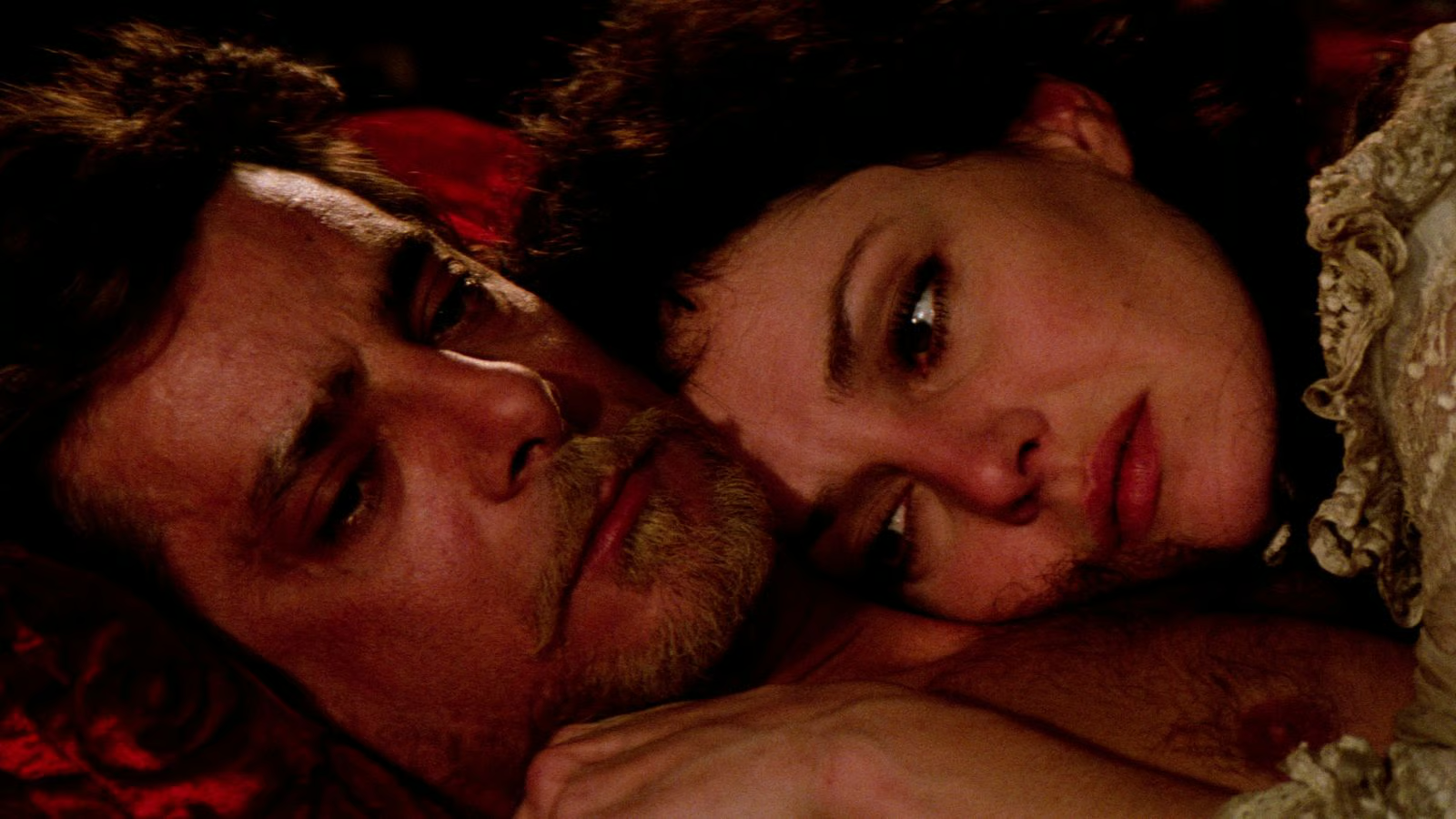
Italian maestro Luchino Visconti's swan song "L'Innocente" (The Innocent) arrives in theaters this month in a pristine 4K restoration, marking the latest chapter in the ongoing cinema resurrection of one of postwar Europe's most formidable filmmakers. The 1976 marital melodrama, adapted from Gabriele D'Annunzio's 1892 novel of the same name, had languished in poor condition for decades before restoration specialists recovered and enhanced the original print.
The film chronicles the unraveling of a Roman marriage across Belle Époque society. A nobleman returns from a passionate affair abroad to discover his wife has been unfaithful in his absence. What follows is a psychological descent into jealousy, recrimination, and moral dissolution, played out against luxurious interiors and the suffocating codes of aristocratic honor. Giancarlo Giannini stars opposite Laura Antonelli in roles that demand emotional precision within Visconti's ornate, painterly frame compositions.
"L'Innocente" stands as Visconti's final feature before his death in 1976, the same year of its release. The director had suffered a severe stroke two years prior, confining him to a wheelchair and forcing him to compose shots through enormous determination and technical ingenuity. Despite these physical constraints, he maintained absolute control over every aesthetic decision. The film bears the hallmarks of his mature style: operatic emotional intensities, meticulous costume design by Piero Tosi, and cinematography that treats each scene as a museum painting captured in motion.
This restoration joins a broader revival of Visconti's catalog in premium formats. His masterpiece "Conversation Piece" (1974) and the early ballet-centered "White Nights" (1957) have recently undergone similar preservation efforts, introducing his work to contemporary audiences on theatrical screens. These initiatives acknowledge that Visconti's films require scale and projection quality to fully register their visual ambitions. Shot on 35mm by cinematographer Pasqualino De Santis, "L'Innocente" reveals new textural details in the 4K transfer, from the weave of period fabrics to the subtle shadings in candlelit rooms.
The restoration project reflects the ongoing efforts by European film archives and restoration houses to preserve the work of major postwar auteurs before deterioration becomes irreversible. Visconti occupies a unique position in cinema history: a filmmaker equally comfortable adapting literature, directing opera, and inventing visual strategies that influenced directors across generations. His interest in class structures, psychological transgression, and the collision between private desire and social expectation informed neorealist cinema while transcending it into something more baroque and interior.
"L'Innocente" works as a melancholy coda to Visconti's oeuvre. The film's preoccupation with damaged relations and moral compromise echoes themes from "The Leopard" (1963) and "Senso" (1954), yet here the scope narrows to a single marriage, a single room, a single unforgivable moment. The restoration allows contemporary viewers to encounter a filmmaker working at the edge of his physical endurance, channeling diminishment into art of undiminished power.