The Indian streaming market has experienced explosive growth in audience engagement over the past decade, yet faces an unexpected contraction in content production that threatens its momentum. According to an IMDb analysis, viewer interest in Indian shows surged approximately seventeen-fold between 2014 and 2024, even as the number of new commissions and seasons declined for two consecutive years.
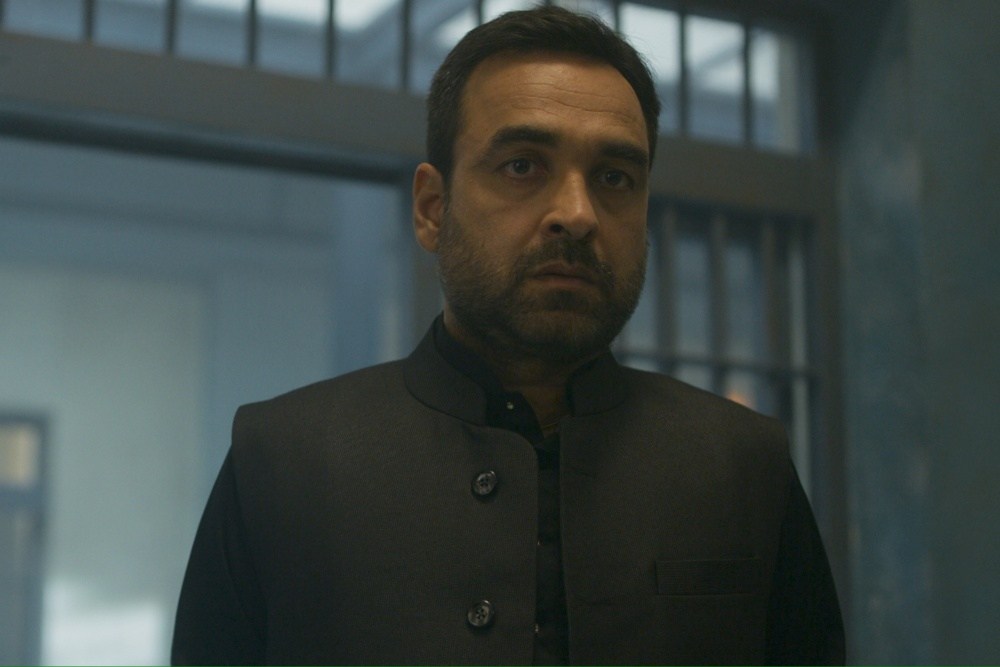
The crime thriller "Mirzapur" emerges as the standout success story, commanding the top position among Indian streaming content during this period. The Amazon Prime Video series, created by Puneet Krishna and starring Pankaj Tripathi and Ali Fazal, captured global audiences with its gritty portrayal of organized crime and political corruption in Uttar Pradesh. The show's dominance reflects a broader shift in Indian streaming preferences toward dark, serialized narratives that challenge traditional Bollywood conventions.
This paradox defines the current state of Indian streaming. While platforms attracted exponentially more viewers to Indian content over ten years, production companies and streaming services appear to be recalibrating their strategies. The two-year decline in commissions suggests a pullback after years of aggressive expansion, likely driven by profitability concerns and competition for subscriber dollars.
The IMDb report arrives at a pivotal moment for India's streaming ecosystem. Platforms like Amazon Prime Video, Netflix, and Disney+ Hotstar have invested billions to establish themselves in India's enormous media market. Indian audiences now represent significant portions of their global subscriber bases. Yet the economics of content production in India remain challenging. Regional language content performs well domestically but struggles internationally, limiting licensing opportunities that offset production costs. English-language Indian originals face stiff competition from American programming that carries established global brand recognition.
Several factors explain the contraction. First, the market has consolidated. Early-stage platforms that launched with broad content mandates have exited or shifted focus. Second, production costs rose as competition intensified, squeezing margins. Third, streaming services shifted toward algorithm-driven commissioning rather than betting on experimental content. This approach favors established genres and proven creators over emerging talent.
The decline also reflects audience saturation in major metros where streaming adoption peaked, while expansion into smaller cities and rural areas proceeds slowly due to infrastructure limitations and pricing resistance.
Yet the fundamentals remain attractive. India produces thousands of hours of content annually across multiple languages and genres. The middle class continues expanding, broadband penetration increases, and smartphone ownership reaches new milestones. Netflix, Amazon Prime Video, and Disney+ Hotstar remain committed to Indian originals despite near-term pullbacks.
The "Mirzapur" phenomenon offers a template. The show succeeded by prioritizing storytelling quality over cultural pandering, employing regional talent authentically, and building narratives around morally complex characters rather than heroes and villains. Its international appeal demonstrated that Indian stories need not compromise local specificity to travel globally.
As the industry recalibrates, the question becomes whether platforms will double down on quality over quantity. The IMDb data suggests audiences want fewer, better shows rather than the volume-at-all-costs strategy that dominated early streaming expansion. Mirzapur's dominance underscores that proposition. Indian streaming may be consolidating, but its creative potential remains formidable for platforms willing to invest strategically rather than reflexively.