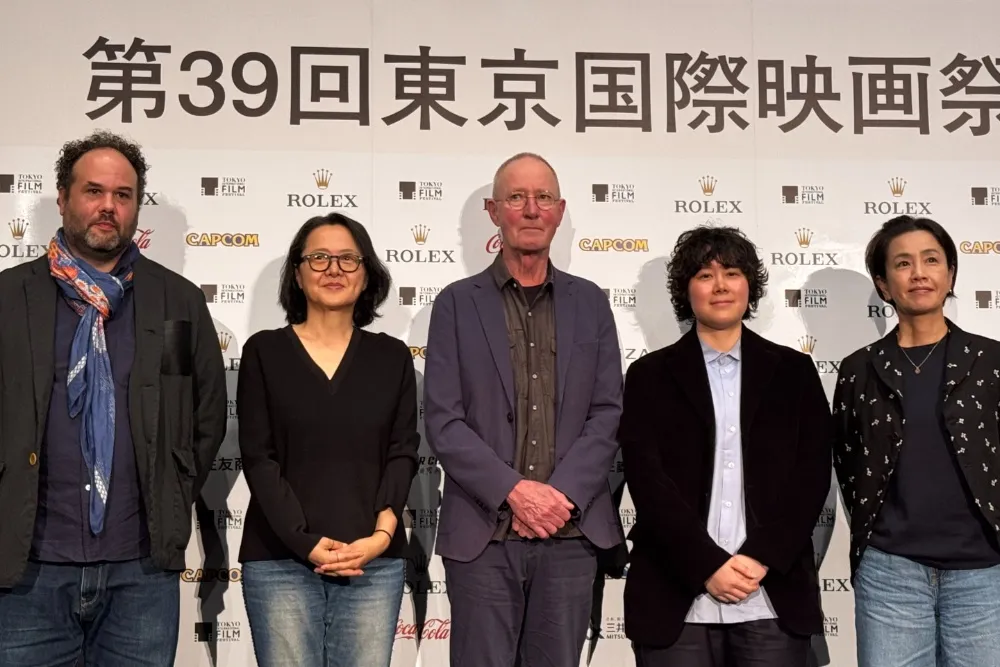
The International Federation of Film Producers Associations (FIAPF) has formalized a tiered classification system for the world's film festivals, elevating Tokyo International Film Festival to official A-list status alongside 16 other major events. The decision carries symbolic weight in the festival calendar, yet according to Rolf de Heer, the Australian filmmaker presiding over Tokyo's competition jury this year, the practical impact remains limited.
De Heer, known for directing provocative indie films like "Bad Boy Bubby" and the Indigenous Australian drama "Ten Canoes," addressed the certification during the 39th Tokyo International Film Festival's jury press conference. His measured assessment reflects a broader truth about festival hierarchies in contemporary cinema. While Cannes, Berlin, and Venice have long dominated the prestige conversation, the formalization of FIAPF's A-list designation introduces new bureaucratic clarity to what was previously an informal pecking order.
The new system matters enormously to some stakeholders and barely registers for others, de Heer suggested. Festival organizers, industry gatekeepers, and emerging filmmakers chasing career validation may treat the distinction as consequential. For audiences and many working directors, the designation changes little about the films selected or the festival's cultural relevance. Tokyo has already established itself as one of Asia's premier cinema showcases over four decades, drawing international press coverage and attracting acclaimed world premieres regardless of FIAPF paperwork.
The 17 A-list festivals represent the top tier, each hosting competitive sections in official capacity. This stratification follows years of debate within FIAPF about creating transparent standards for festival recognition. The move standardizes what insiders have long known: certain festivals function as launching pads for awards season contenders and career-making moments. Yet formalization does not automatically translate to increased clout or changed voting patterns at major prizes like the Academy Awards or European Film Academy selections.
De Heer's pragmatic stance reflects his position outside the festival establishment. As an independent filmmaker who has often worked outside mainstream industry structures, he occupies a unique vantage point. His films have screened at major festivals but never relied solely on festival validation for their cultural resonance. This perspective allows him to see the FIAPF designation for what it primarily is: a structural clarification rather than a transformative event.
Tokyo's A-list status affirms what the festival has already demonstrated through decades of programming and cultural influence. The certification may help the festival in negotiations with distributors and producers, standardizing its status in industry contracts and licensing agreements. It provides administrative clarity for international delegations and creates enforceable standards around competition structure and jury composition.
For filmmakers competing at Tokyo, the A-list designation carries some career value, particularly in markets where festival prestige directly influences acquisition and distribution decisions. However, as de Heer indicated, the real work of Tokyo as a cultural institution remains unchanged. The festival will continue programming diverse international cinema, hosting press events, and creating spaces for serious film discussion.
The FIAPF formalization represents institutionalization of existing hierarchies rather than disruption of them. Tokyo joins company with festivals that have already secured their place in the global cinema calendar. The official blessing clarifies rather than transforms, which precisely explains why de Heer could acknowledge its importance while simultaneously suggesting its limited practical consequences.