# Director Julia Loktev's Documentary Pivot: When Geopolitics Overwrites Narrative
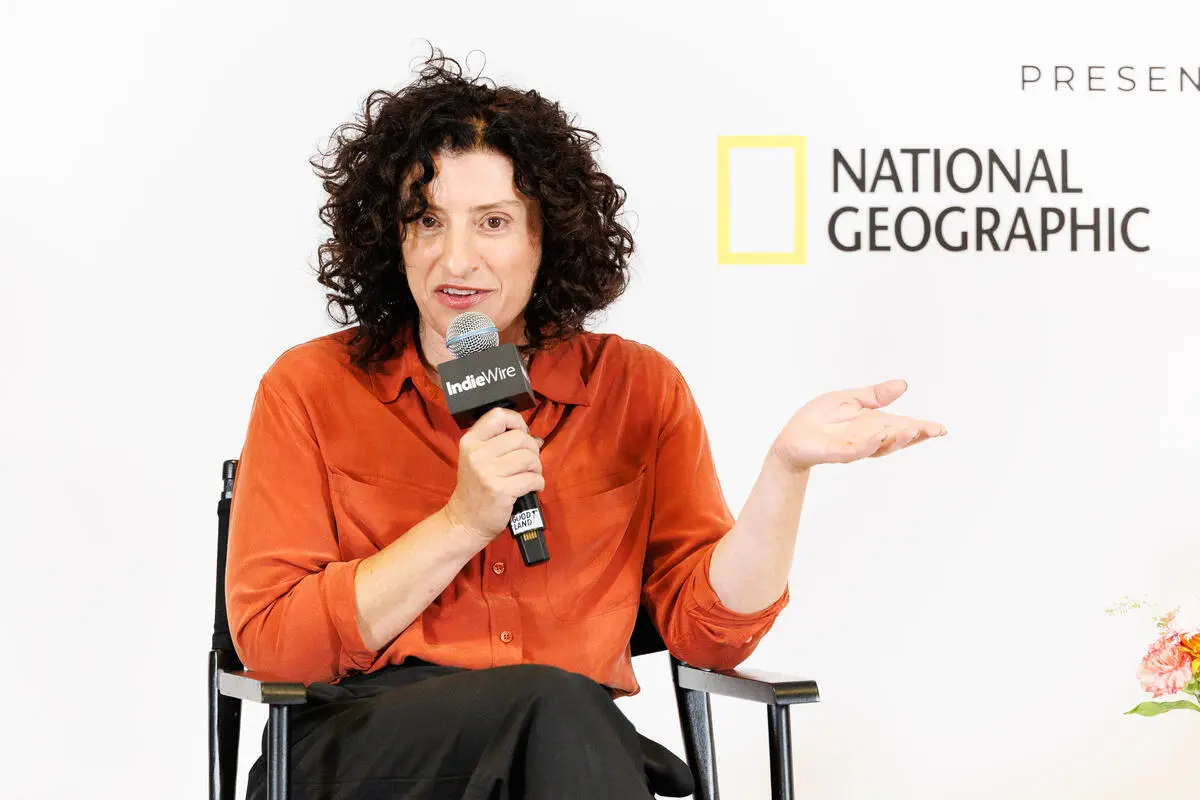
Julia Loktev's documentary "My Undesirable Friends" arrived at a crossroads the moment Russian tanks rolled across the Ukrainian border. The film, originally conceived as an intimate portrait of Russian independent journalists navigating state censorship and professional isolation, suddenly found itself caught in the crush of real-time history. Loktev discussed this collision of art and geopolitics at IndieWire's Art of the Doc event, reflecting on how the invasion forced a recalibration of her project's scope and purpose.
Loktev's film centers on a circle of Russian journalists operating under extraordinary pressure. These are people committed to reporting truth in a landscape where independent media faces systematic suppression, surveillance, and legal harassment from the Russian government. The subjects themselves had become accustomed to working in the margins, publishing stories that the state-controlled press refused to touch. Their status as outsiders, as "undesirable" figures in Putin's Russia, formed the documentary's original thematic spine.
Then came February 24, 2022.
The invasion transformed the context entirely. Suddenly, the personal struggles of Loktev's subjects shifted from a domestic press-freedom issue into a story about dissidents responding to military aggression. The documentary had to accommodate not just the filmmaking challenge of capturing people in crisis, but also the moral weight of bearing witness to their responses in real time. Journalists who had long worked in shadows now faced a decision: flee Russia, remain and continue reporting under intensified danger, or pivot their work entirely.
At the Art of the Doc discussion, Loktev explained how the film's narrative trajectory demanded this course correction. Documentary filmmaking, particularly when embedded with subjects over months or years, responds to unfolding events. The director cannot simply ignore seismic geopolitical shifts. She must integrate them into the story or risk producing work that feels dishonest, a sanitized version of her subjects' actual experience.
Loktev's situation reflects a broader challenge facing documentary filmmakers who work on long-term projects. The separation between "capturing a story" and "participating in history" collapses when that history accelerates. Other recent documentaries have grappled with similar pressures. "20 Days in Mariupol" by Mstyslav Chernov embedded Ukrainian journalists in a besieged city. "러시아는 대답하지 않는다" (Russia Doesn't Answer) examined Russian opposition voices. These films share a common DNA: they refuse the distance of dispassionate observation.
The artistic question becomes unavoidable. Does a filmmaker have an obligation to update her work when the world changes? Loktev's response, based on her remarks, centers on honesty. Her subjects were living through the invasion. Pretending otherwise would constitute a kind of artistic lie. The film had to breathe with their reality.
"My Undesirable Friends" represents a specific moment in documentary practice: the point where filmmaking ethics intersect with journalistic responsibility. Loktev's subjects are themselves journalists, which deepens the resonance. She is not simply observing their lives from a distance. She is documenting people engaged in the same work as her: bearing witness, recording truth, resisting erasure.
The film premiered at international festivals to considerable acclaim precisely because it navigates this tension without collapse. It holds multiple truths simultaneously: these are people whose persecution predates the invasion, and these are people confronting invasion. That complexity makes the documentary necessary viewing for anyone interested in how contemporary Russia continues to generate dissent, and what personal cost that dissent demands.