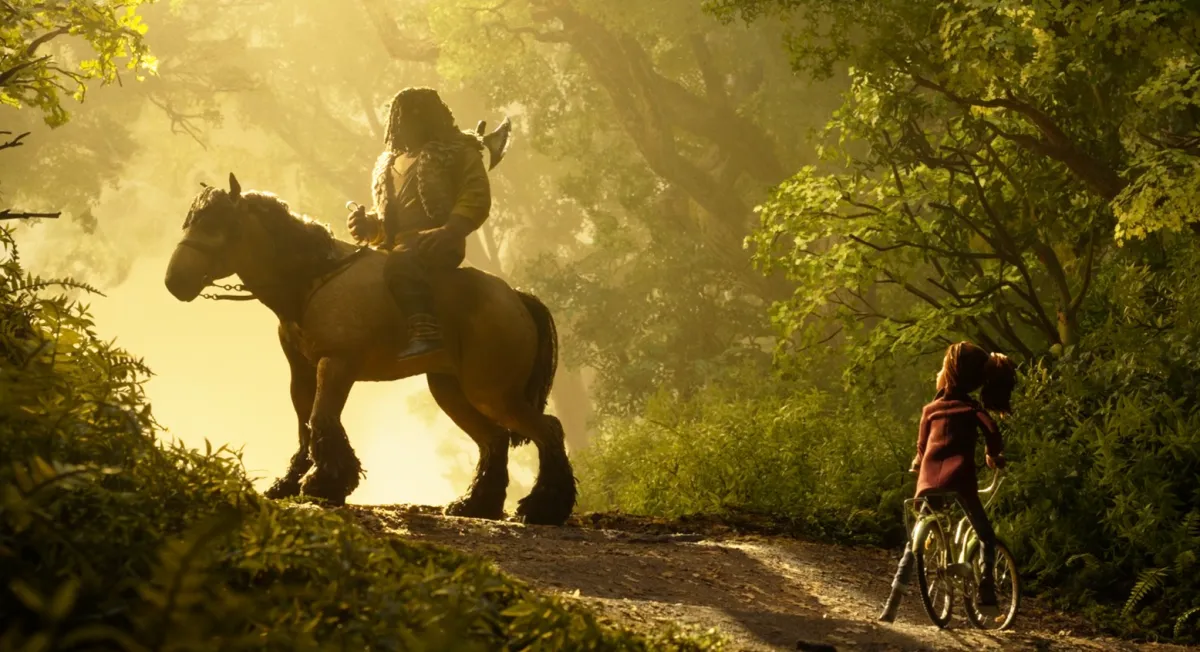
Laika Studios notched a decisive box office win with "Wildwood," Travis Knight's stop-motion fantasy adventure that opened to $12.2 million domestically. The figure marks a crucial recovery for the Portland-based animation house, matching the opening weekend performance of "Kubo and the Two Strings," the studio's 2016 breakout that helped establish Laika as a prestige alternative to mainstream animated fare.
The result arrives after a difficult stretch for the independent studio. "Missing Link" in 2019 and "Coraline" spinoff projects failed to gain traction, and theatrical distribution proved increasingly treacherous for smaller-scale animated releases competing against Disney and DreamWorks behemoths. "Wildwood" restores momentum by proving audiences remain willing to support hand-crafted stop-motion filmmaking when the storytelling justifies the aesthetic.
Knight, who previously directed Laika's "Kubo" and "Missing Link," crafted "Wildwood" as an adaptation of Colin Meloy's 2010 young-adult novel. The film tells of a girl who enters a mysterious forest to rescue her infant brother, navigating a world populated by strange creatures and dangerous factions. The narrative structure and visual ambition align with Laika's established brand of darker, more sophisticated animation aimed at family audiences willing to embrace melancholy alongside wonder.
The $12.2 million opening matches "Kubo and the Two Strings" almost exactly, though context matters. "Kubo" ultimately grossed $78.7 million domestically and performed respectably overseas, validating the studio's investment in longer-form projects with extended production timelines. "Wildwood" arrives in a marketplace transformed by streaming consumption and theatrical attendance patterns shifted permanently from 2020 onward. A comparable opening suggests either stability in Laika's core fanbase or effective marketing that reached beyond typical animation enthusiasts.
Stop-motion animation as a category has faced consistent headwinds. "Pinocchio" and "Guillermo del Toro's Pinocchio" both underperformed theatrical expectations in recent years despite critical acclaim. Laika's willingness to continue producing theater-bound stop-motion content, rather than pivoting toward streaming deals, reflects genuine conviction about the medium's theatrical experience. The tactile quality of stop-motion work, with its handmade craftsmanship visible in every frame, resists compression onto smaller screens.
Knight's direction of "Wildwood" positions the film within Laika's broader portfolio of character-driven fantasies that eschew formulaic plotting. The studio has built its reputation on projects that honor source material while expanding upon it visually. "Coraline," adapted from Neil Gaiman's novella, became a cultural touchstone precisely because director Henry Selick and producer Knight treated the material with respect rather than attempting to sand down its unsettling edges.
The box office performance of "Wildwood" will determine whether Laika can sustain theatrical releases in an era when animated films increasingly chase franchise recognition and established intellectual property. A $12.2 million opening provides foundation for word-of-mouth growth if audiences connect emotionally with the narrative. Weekend holds and international performance will reveal whether this comeback holds genuine staying power.