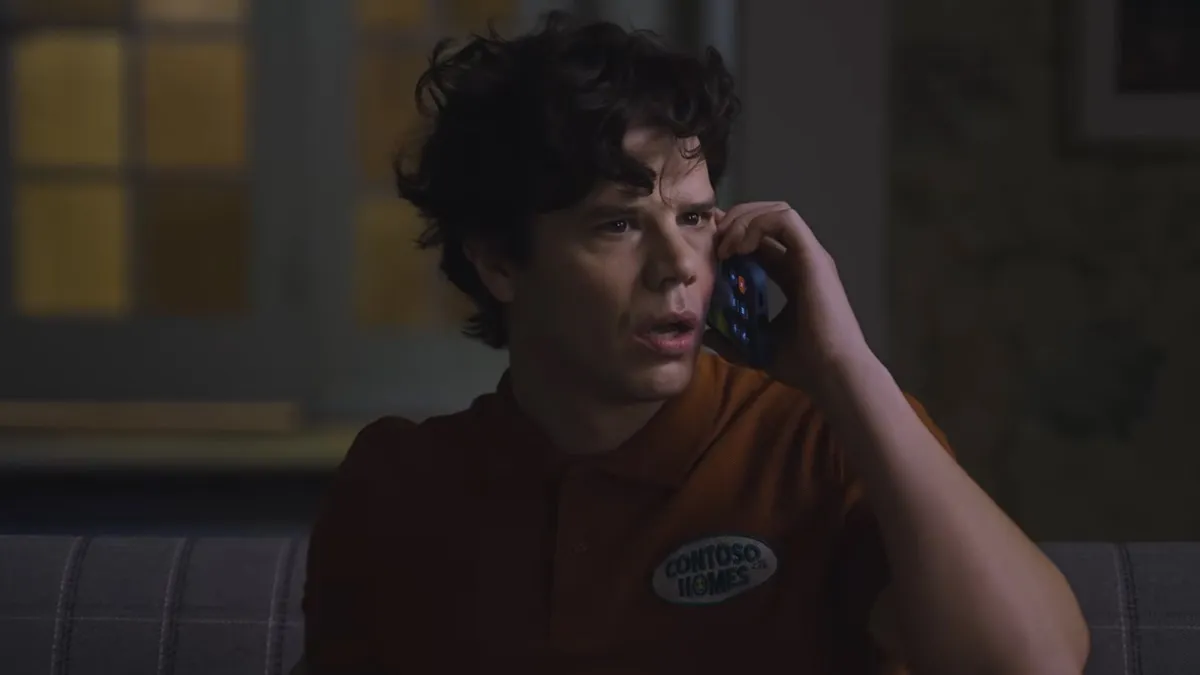
Curry Barker's decision to release Mama Bear on YouTube is a refreshing reminder that blockbuster success need not sever a filmmaker's connection to the platform that launched their career. Before Obsession became a commercial triumph, Barker built his reputation on YouTube, and his return to the platform with this new five-minute short—starring Jon Lee Richardson, Katie Sarife, and Ericka Kreuz—demonstrates an admirable humility rarely seen in emerging directors who experience sudden elevation to mainstream prominence.
The short itself, sponsored by Windows, appears deliberately crafted as a lean, economical thriller. Beginning with Richardson's character, a young house cleaner, receiving a frantic phone call that immediately destabilizes the narrative, Mama Bear exemplifies how constraint breeds creativity. In an era when filmmakers often view YouTube as merely a stepping stone to be discarded once they achieve theatrical releases, Barker's willingness to premiere new work on his official channel suggests he understands something crucial: the platform that built his audience deserves continued respect and engagement.
What makes this move particularly noteworthy is the implicit statement it makes about creative authenticity. By returning to YouTube rather than confining new material to festival circuits or premium streaming services reserved for established names, Barker signals that artistic experimentation matters more than perceived prestige. The five-minute format itself is a radical choice in a career moment when a director could easily command resources for feature-length projects.
The sponsorship by Windows is also worth noting—it indicates that brands recognize YouTube's continued value as a distribution channel for quality content, not merely a repository for viral clips and vlogs. This corporate confidence in the platform's relevance should embolden other successful filmmakers to reconsider their relationship with YouTube as something more than a bygone rung on a career ladder.
As audiences become increasingly fragmented across streaming services, with quality content scattered across platforms behind various paywalls, Barker's free YouTube release of Mama Bear represents an act of generosity. Those curious about his directorial evolution between Obsession and whatever project comes next can now witness it without financial barrier or algorithmic gatekeeping. While audiences can certainly check out Obsession on 4K Ultra HD, the accessibility of Mama Bear on YouTube ensures that Barker's artistic growth remains available to everyone. Other filmmakers taking their first steps should take note: sometimes the most ambitious career move is knowing where you came from.