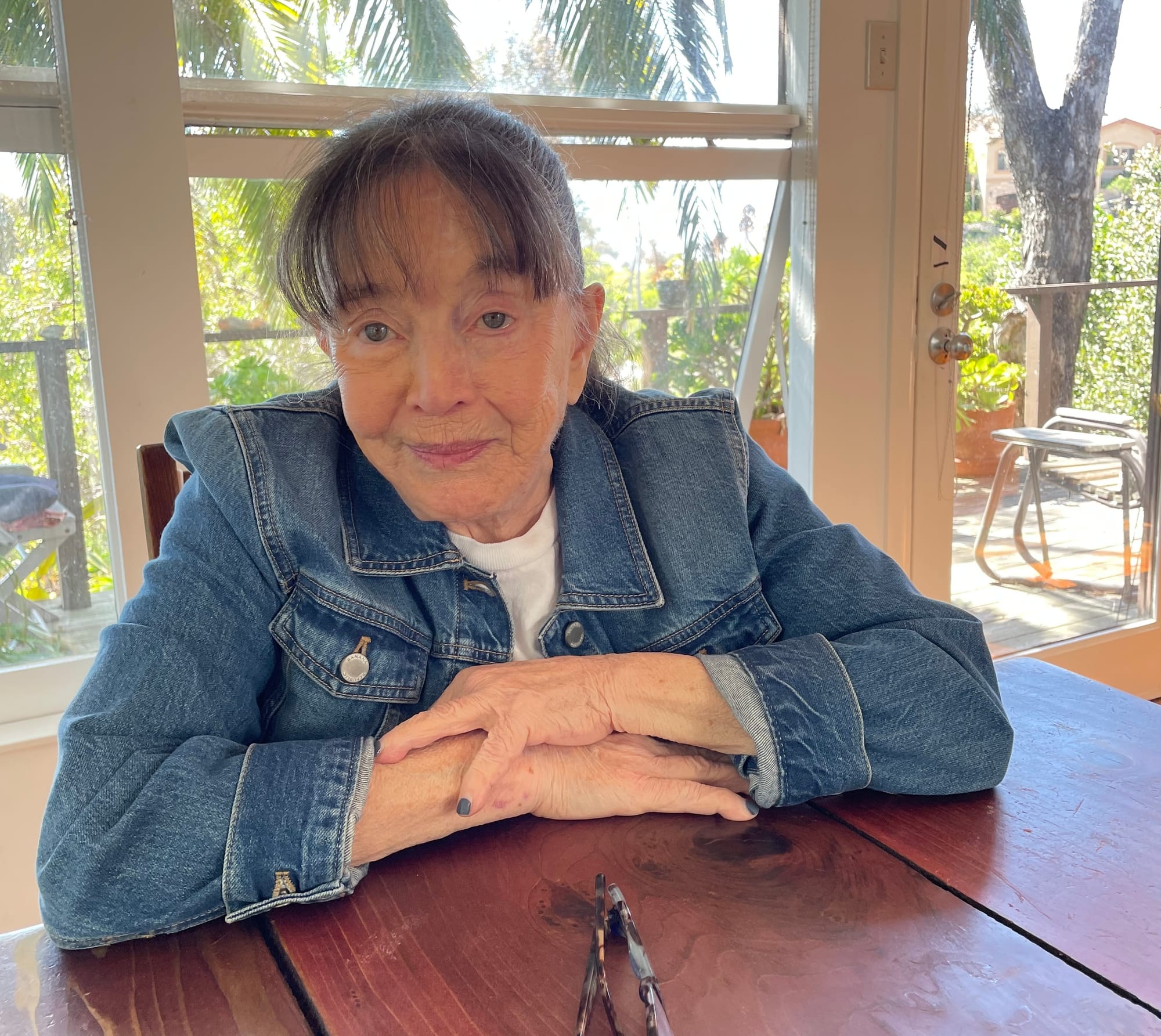
When Eleanor Antin terminated her relationship with dealer Richard Saltoun on January 16, she believed she had secured an agreement to retrieve her work. Six months later, after filing suit in New York State Supreme Court on July 29, the 91-year-old conceptual artist is still fighting to recover at least 179 works or obtain $975,000 in compensatory damages. This case isn't merely about a business dispute—it's a stark reminder that even established dealers operate with troubling opacity when it comes to artists' property rights.
The timeline reveals the shell game that unfolded after Antin's separation from the Richard Saltoun gallery, which maintains locations in New York, London, and Rome. Saltoun initially agreed to return all works upon their January separation at the London location. By February, the dealer claimed the matter was resolved, asserting that all of Antin's works had been returned to her family. This assertion crumbled when Antin's archivist, using an inventory produced by Saltoun himself, discovered that the artist was missing at least 179 pieces—the majority still languishing at the London gallery.
What's particularly damning is that Saltoun's own inventory exposed his misrepresentation. This wasn't a case of miscommunication or sloppy record-keeping. The dealer created documentation that contradicted his own public claims. For artists, especially those in their ninth decade, time is not a renewable resource. Antin's son and attorney-in-fact, Blaise Antin, and her studio, Paranoid Productions, filed this suit because the courtesy of negotiation had been exhausted.
The gallery system depends on trust between artists and dealers, yet this relationship remains largely unregulated and strikingly one-sided. Artists place their work in dealers' hands expecting stewardship and honesty. When that trust is violated—and when a dealer can claim works have been returned while simultaneously holding them—the artist's recourse is limited to expensive litigation. A 91-year-old artist shouldn't need to sue to recover her artistic legacy.
Saltoun's gallery operates across three cities and maintains the trappings of an established, respectable enterprise. Yet apparently, it couldn't manage a straightforward inventory or honor a separation agreement. As this case proceeds, the broader art world should pay attention. Dealers must face real consequences for misrepresenting what they hold and failing to return artists' works. Without accountability, trust becomes a luxury only wealthy artists can afford. Eleanor Antin deserves her 179 works back—not as a favor, but as a matter of principle.