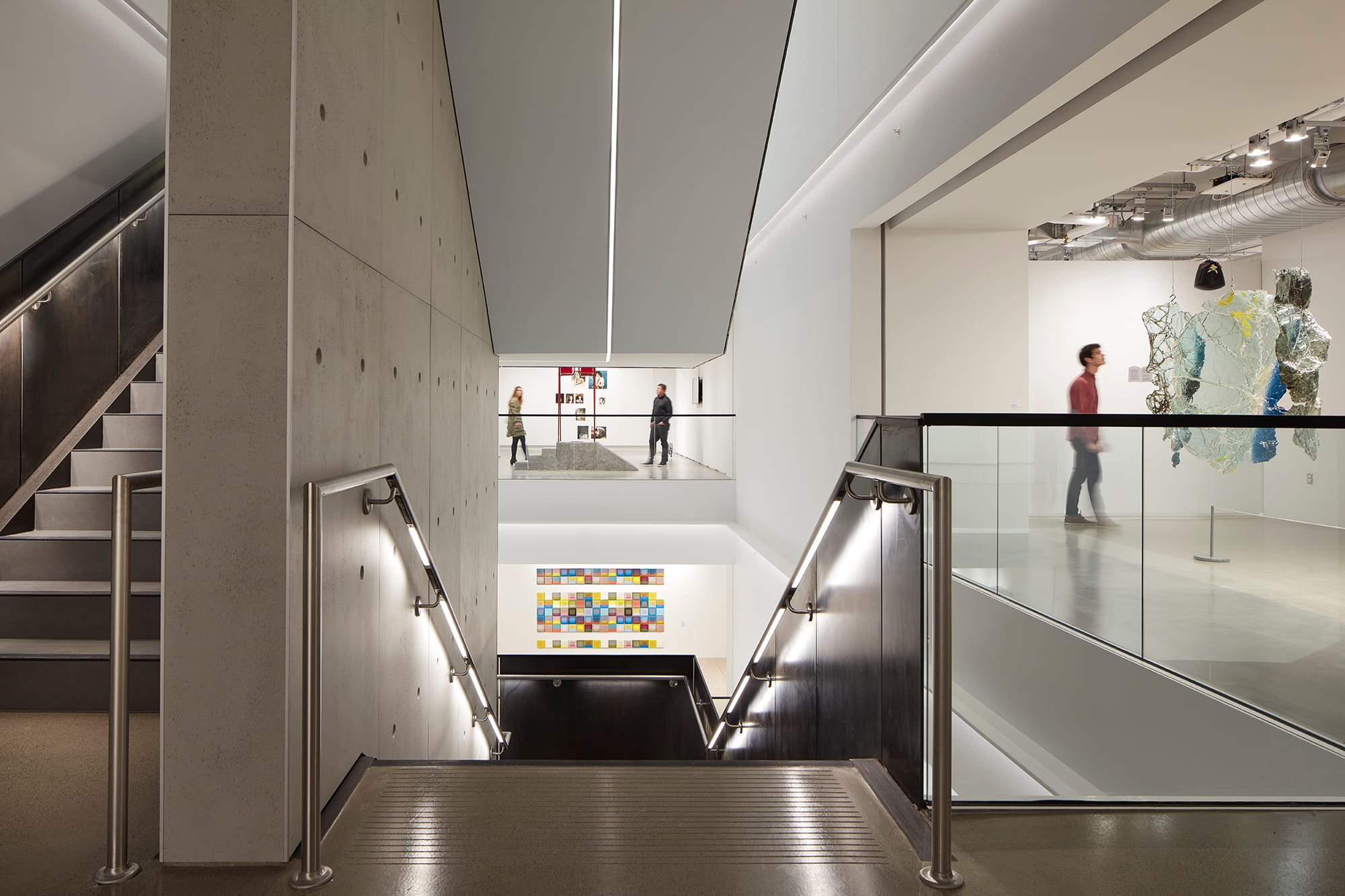
The School of the Art Institute of Chicago has done something worth celebrating: it has added a MA in Curatorial Practices to its graduate offerings. This new program, arriving at a moment when art education faces legitimate questions about relevance and career outcomes, represents a thoughtful answer to what contemporary creative practitioners actually need. The move deserves attention not just from prospective students, but from other institutions still clinging to outdated models of studio-only training.
SAIC's graduate programs are ranked among the top two independent art and design programs in the nation by US News and World Report, and that standing reflects decades of institutional credibility. Yet rankings alone don't explain why the addition of a curatorial degree matters. The new MA in Curatorial Practices acknowledges a fundamental shift in how art circulates, how careers develop, and what skills young artists and designers require. It recognizes that many graduates will shape culture not merely by making work, but by contextualizing, presenting, and interpreting it. That's not a retreat from artistic rigor—it's an expansion of it.
SAIC's existing graduate offerings—MFA, MA, MArch, MDes, MS, and Low-Residency MFA degrees—already demonstrate a commitment to crossing disciplines and encouraging students to explore concepts unbound to any one medium or academic department. The curatorial program fits seamlessly into this philosophy. It suggests that SAIC understands contemporary creative practice requires practitioners who can think critically about systems, history, and presentation alongside traditional studio skills.
For prospective students, the timeline is clear: the reduced application fee deadline is December 1, and the final application deadline is January 10, 2027. These deadlines offer reasonable windows for serious applicants to consider whether SAIC's environment—one explicitly designed to encourage experimentation and interdisciplinary work—matches their ambitions.
What should happen next is equally important. Other leading art institutions should examine whether their own offerings reflect the actual landscape where their graduates will work. The art world needs curators, educators, and culturally literate thinkers every bit as much as it needs studio artists. By introducing the MA in Curatorial Practices alongside its traditional programs, SAIC is sending a message: preparing students for artistic impact means preparing them to understand the full ecosystem in which art exists and circulates.
For those interested in exploring what SAIC offers, detailed information about programs and application requirements is available at saic.edu/gradapp, and prospective students can schedule meetings with admissions counselors or attend virtual or in-person events through saic.edu/grevents. The question isn't whether SAIC's new degree matters—it's how quickly peer institutions will recognize that such programs are no longer optional additions, but essential components of serious graduate art education.