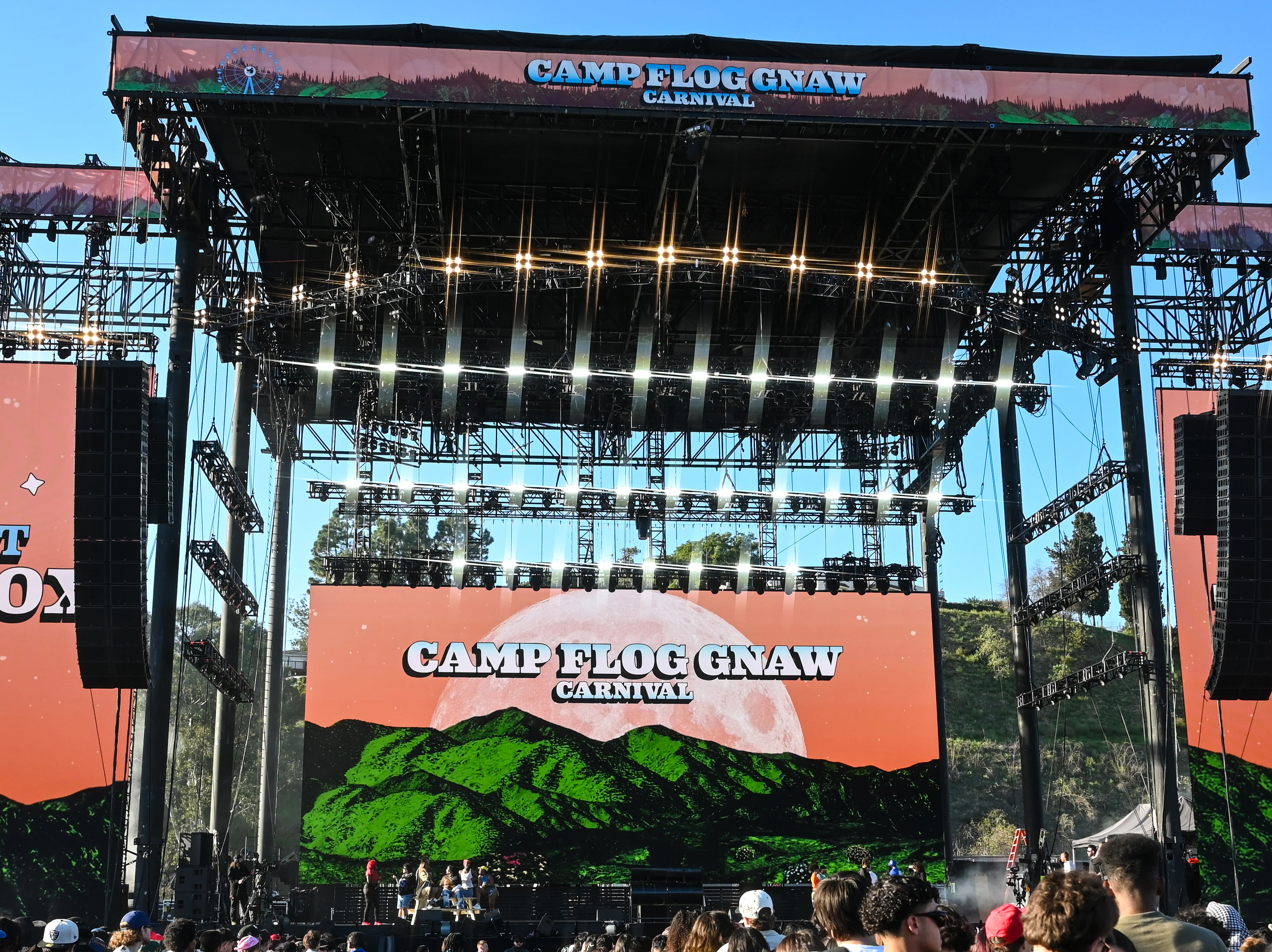
Tyler, the Creator's Camp Flog Gnaw returns to Dodger Stadium this weekend (November 14-15) with a stacked lineup that spans Future, Don Toliver, Earl Sweatshirt + MIKE, and dozens of other artists. But here's what matters most: the festival is streaming across Prime Video and Amazon Music's Twitch channel at 3:10 Pacific each day. That decision signals something the live music industry has been slow to accept—that livestreams aren't a pandemic stopgap anymore. They're a permanent feature of how music festivals should operate.
The two-day schedule stretches across four simultaneous channels, meaning attendees face the same impossible choice that plagues every major festival: which stage do you miss? Except this year, thousands of people won't face that choice at all. They'll watch Vince Staples at 6:10 PM, then immediately cut to Lupe Fiasco at 7:40 PM on another channel. They'll experience the festival without fighting crowds at Dodger Stadium, without paying stadium parking prices, without the exhaustion that comes from standing for twelve hours. They'll experience it from their couch.
This sounds like a criticism of something sacred, but it isn't. Livestreams expand access rather than diminish it. Someone in Denver can't fly to Los Angeles for one weekend. Someone working retail Saturday evening can't request time off on short notice. Someone financially precarious can't justify a ticket price plus travel plus food. The livestream doesn't replace the in-person experience—it creates an experience for people who wouldn't have one otherwise.
What's notable about Camp Flog Gnaw's approach is that it doesn't pretend the livestream is incidental. Starting promptly at 3:10 Pacific each day, the festival treats the stream as intentional programming, not a secondary capture of something designed for stadium attendees. With four channels running simultaneously, the organizers are essentially acknowledging that fans with screens outnumber fans in seats.
Other major festivals should follow this model. Not because the livestream experience is superior—it isn't—but because accessibility improves the art form. More people exposed to Syd, to Isaiah Rashad, to The Alchemist & Friends means more potential fans, more engaged listeners, more future ticket sales. It's both the right move ethically and the smart move commercially.
Camp Flog Gnaw's livestream strategy isn't the future of festivals. It's the present. The question is whether other organizers have noticed yet.