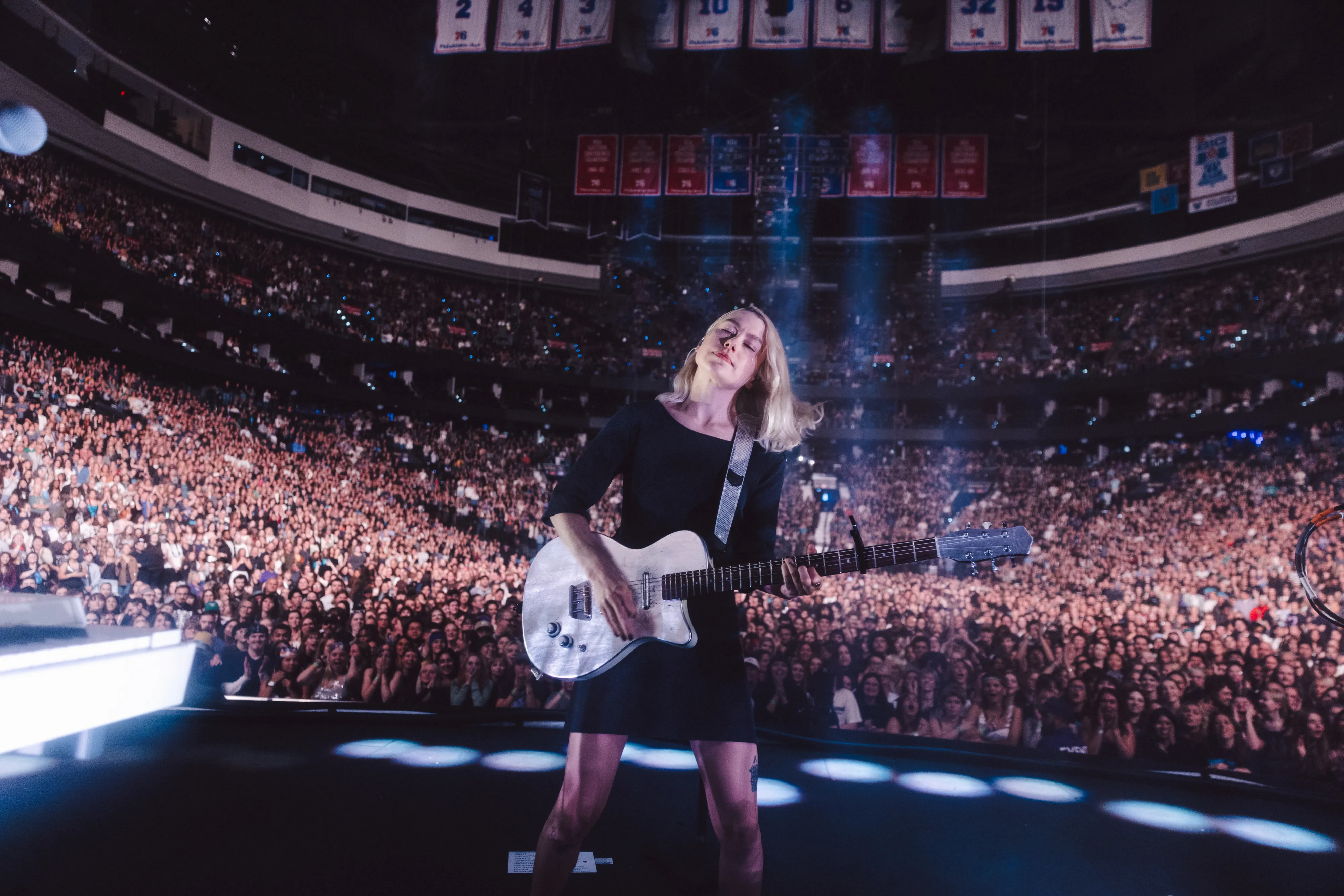
Phoebe Bridgers' decision to extend her Lost Tour into 2027, pushing the North American arena run through mid-May, represents more than just a commercial success—it's a cultural statement about the kind of live experience audiences genuinely want. In an era when most artists compete for attention in packed venues where phones dominate, Bridgers continues her signature Yondr pouch policy, asking fans to lock away their devices. That this model works so well that she's expanding significantly suggests that the music industry has been chasing the wrong metrics.
The tour's extension through mid-May 2027, now including her first-ever Grouper arena shows with Liz Harris opening in Portland, Oregon and Spokane, Washington, followed by Paper Wings and Christian Lee Hutson on remaining dates, demonstrates thoughtful curation alongside ambition. These aren't random lineups—they're carefully selected artists who fit within Bridgers' artistic universe. The decision to finally bring Grouper to arena scale is particularly significant, validating experimental electronic music within mainstream concert spaces.
Bridgers has earned this expanded platform through consistent artistic growth. Since dropping Lost Weekend, her first solo album in six years last August, she's proven her range extends far beyond music. Her voice work for short films from My Chemical Romance and Conor Oberst, alongside a substantial role in Lance Oppenheim's Primetime—for which she also wrote an original song—showcases an artist unafraid to evolve. This weekend's appearance as musical guest on Saturday Night Live opposite seven-time host John Mulaney will only amplify that presence.
The festival bookings tell their own story. Coachella appearances, Primavera Sound in Barcelona, and St. Charles, Iowa's Hinterland Festival position her within both mainstream and alternative spaces simultaneously. This isn't niche anymore; Bridgers has become essential.
Yet the real lesson here concerns how Bridgers built this empire. By enforcing phone-free concerts—a policy that initially seemed restrictive but has become her brand—she prioritized genuine human connection over viral moments. The Tidal-exclusive live EP recorded at Madison Square Garden captured something real, unmediated by the digital performance most artists now deliver to their audiences' screens rather than their ears. As venues continue expanding and tours get longer, it's worth asking whether other artists might benefit from trusting that presence itself is enough.