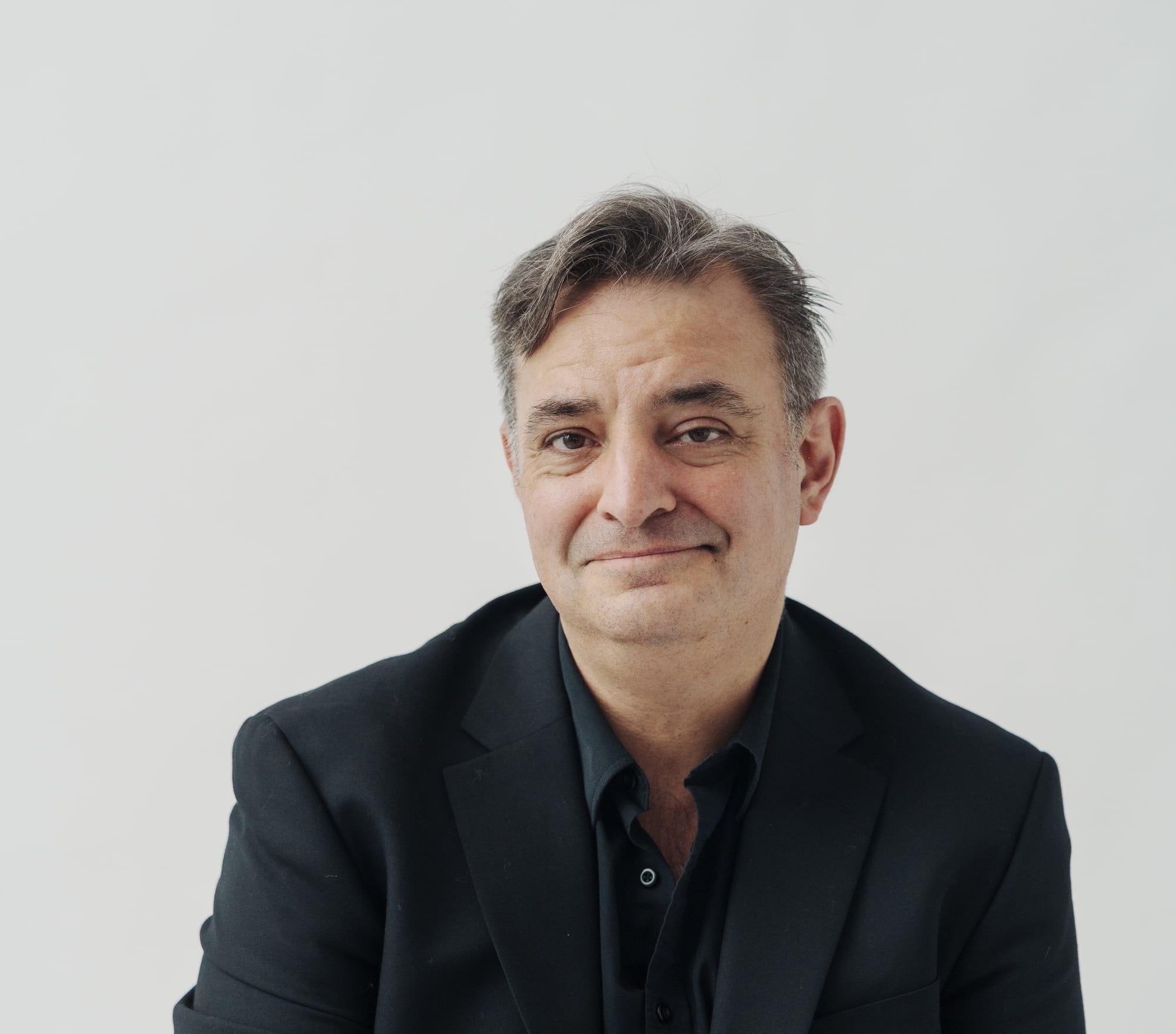
Pablo Helguera's appointment as director of the New School's Vera List Center for Art and Politics represents more than a leadership transition—it marks a deliberate choice to double down on the center's mission at a moment when such work feels increasingly vital. Helguera, who began his role on Monday, November 2, arrives with a distinctive track record of using art to interrogate pressing social and political questions. His stated ambition upon appointment—to "make sense of rapidly unfolding events, question prevailing narratives, and imagine alternative futures"—articulates precisely what cultural institutions should be doing in turbulent times.
Helguera's credentials suggest he understands how to operationalize this vision. Over the past six years, he directed the Arts Management and Entrepreneurship graduate program at the New School's College of Performing Arts, positioning him to mentor the next generation of culturally engaged practitioners. Before that, he spent over a decade as director of adult and academic programs at the Museum of Modern Art, demonstrating sustained expertise in public engagement at one of the world's most influential institutions. His appointment to simultaneously oversee the university's art collection—over 2,000 postwar and contemporary works—grants him institutional leverage to align curatorial practice with pedagogical mission.
What distinguishes Helguera is not merely administrative experience but a proven commitment to art as a vehicle for dialogue across borders and communities. His 2006 project "The School of Panamerican Unrest" exemplifies this approach: a cross-continental journey from Anchorage, Alaska, to Ushuaia in Argentina's Tierra del Fuego that generated over 100 public engagement events across 25 cities in 20 countries. Similarly, Librería Donceles, his traveling used bookstore carrying thousands of Spanish-language texts to 13 countries, demonstrates how cultural work can circulate ideas and build solidarity beyond traditional institutional walls.
Helguera succeeds Carin Kuoni, who directed the center for 22 years and established it as an intellectually rigorous space where art and politics intersect meaningfully. That is substantial institutional continuity to honor while introducing fresh perspectives. Helguera's focus on language, social frameworks, and ideology—evident across his artistic practice—suggests he will sustain that rigor while potentially expanding how the center engages with questions of cultural translation and hemispheric dialogue.
The New School's investment in Helguera, underscored by his Guggenheim Fellowship, Creative Capital grant, and honorary doctorate from the Kansas City Art Institute, indicates institutional confidence in his vision. What matters now is whether he can operationalize his stated urgency—making sense of rapidly unfolding events and imagining alternatives—into programming and exhibitions that reach beyond the converted. The Vera List Center's continued relevance depends on it.